How Insulated Metal Panels Are Quietly Cutting Facility Energy Costs
Learn how insulated metal panels reduce energy demand, improve thermal control, and lower long-term operating costs
Press Release Disclaimer: This is a press release distributed through the XPR Media network. It has not been independently verified by our newsroom.
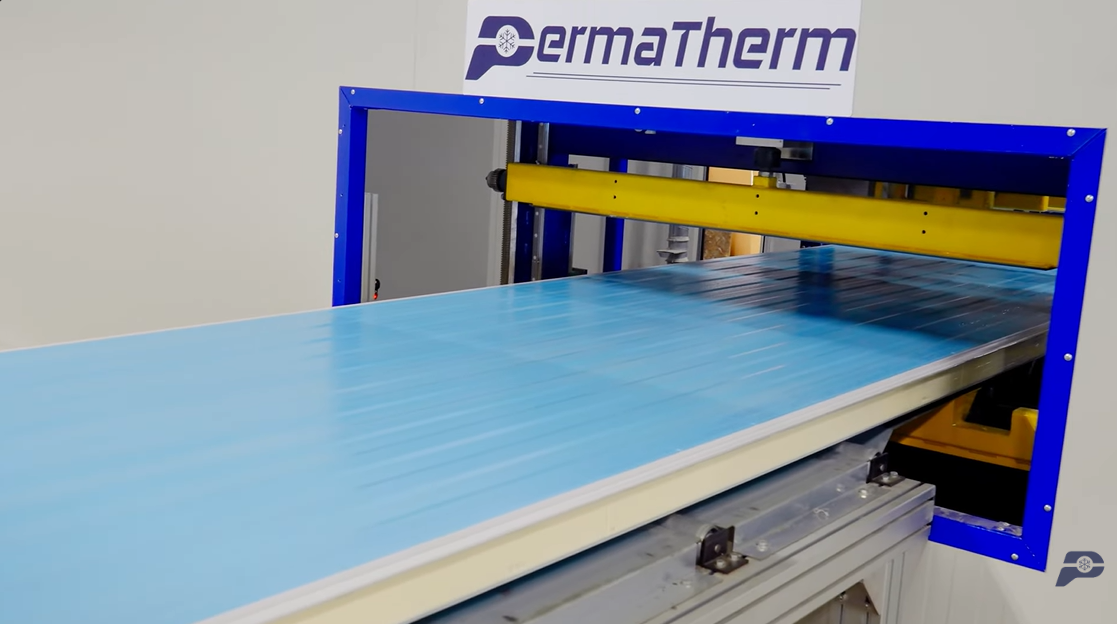

Learn how insulated metal panels reduce energy demand, improve thermal control, and lower long-term operating costs with better envelope performance.
MONTICELLO, GA, UNITED STATES, September 15, 2026 /EINPresswire.com/ — PermaTherm highlights how higher-performance building envelopes can reduce HVAC and refrigeration demand for temperature-sensitive facilities.
As facility owners continue to look for practical ways to control operating expenses, one of the most important energy decisions may already be built into the walls. Insulated metal panels, commonly known as IMPs, are becoming a strategic choice for commercial, industrial, cold storage, food processing, pharmaceutical, and logistics facilities that need stronger thermal performance without adding complexity to construction.
While lighting retrofits, HVAC upgrades, and equipment replacements often get most of the attention, building envelope performance can have a lasting effect on monthly energy demand. A facility that loses conditioned air through weak insulation, thermal gaps, or poorly sealed panel joints forces mechanical systems to work harder every day it operates. The impact is especially meaningful for facilities where interior conditions must stay consistent around the clock, including refrigerated warehouses, food plants, pharmaceutical spaces, clean rooms, and high-volume logistics buildings.
“Envelope performance is the line item people forget,” said Ken Madren of PermaTherm. “The right panel keeps paying you back every month the facility runs.”
Why the Building Envelope Matters
The building envelope is the physical barrier between the interior environment and exterior conditions. In temperature-sensitive facilities, that barrier helps protect inventory, stabilize operations, and reduce HVAC or refrigeration load.
Insulated metal panels combine exterior cladding, interior liner, and rigid insulation into a single prefabricated system. Compared with traditional wall assemblies that require separate insulation and finish layers, IMPs can reduce installation steps while creating a more continuous thermal barrier.
For buildings that operate year-round, even modest improvements in thermal performance can add up over time.
R-Value Is Only Part of the Story
R-value measures resistance to heat flow. For facility owners comparing wall systems, it is a useful starting point, but it does not tell the whole story.
Two panels can list similar R-values on paper and perform differently once installed. Real-world performance depends on insulation density, panel consistency, joint design, installation quality, and how well the system limits air infiltration and thermal bridging.
In temperature-controlled environments, weak points at connections, framing, fasteners, or gaps can create condensation risks, hot spots, cold spots, and unnecessary energy loss.
PermaTherm manufactures PermaCore® insulated metal panels with high-density polyiso insulation and precision-focused joint systems designed to support long-term thermal performance. The company’s PermaShield™ technology focuses on panel fit and joint integrity, helping improve foam-to-foam contact and reduce the gaps that can undermine envelope efficiency. PermaCore® panels are available in multiple thicknesses, with R-value performance varying by panel thickness and operating temperature.
Energy Costs Are a Long-Term Facility Expense
Panel selection is often evaluated during the construction budget stage, but energy performance affects the facility long after the project is complete. A lower-performing wall system may appear cost-effective upfront, then create higher monthly operating costs for years.
For owners and developers, the more useful question is not only “What does this panel cost?” It is also “What will this envelope cost to operate?”
High-performance insulated metal panels can help facilities:
– Reduce heating, cooling, or refrigeration demand
– Support more stable interior temperatures
– Improve comfort and product protection
– Reduce strain on mechanical systems
– Limit condensation and moisture-related performance issues
– Support sustainability and energy-efficiency goals
– Create a cleaner, faster wall assembly for many project types
These benefits are especially important where temperature control is tied directly to revenue, compliance, or product quality.
The Quiet Payback of Better Panels
Unlike a new piece of equipment, insulated metal panels do not usually draw attention once a facility opens. That is part of their value. When specified correctly, they work in the background, helping the building hold its conditions more efficiently.
For contractors and design teams, IMPs can also support faster project timelines because the wall system arrives as an integrated panel rather than multiple field-installed layers. Fewer installation steps can help reduce labor demands and streamline enclosure schedules.
PermaTherm also supports project teams with guaranteed accurate takeoffs, factory-notched panel options, and application-specific guidance so the envelope is planned correctly before panels reach the job site.
Facility Efficiency Starts Before Construction
Many energy decisions are locked in before a facility is built. Once panels are installed, changing the envelope becomes expensive and disruptive. That makes the specification stage one of the most important moments for controlling long-term operating costs.
Owners, architects, engineers, and contractors can reduce risk by evaluating:
– Required R-value by application and climate zone
– Operating temperature range
– Panel thickness and insulation core type
– Joint design and air-sealing performance
– Moisture and condensation risks
– Installation complexity and schedule requirements
– Long-term maintenance expectations
The right panel choice depends on the facility’s function. A freezer, clean room, food processing area, commercial building, and logistics center may all benefit from IMPs, but each has different performance requirements.
“The panel decision is not just a materials decision,” Ken Madren said. “It is an operating-cost decision. The best time to control those costs is before the building envelope is specified.”
About PermaTherm
PermaTherm is an American-made insulated metal panel manufacturer based in Monticello, Georgia. The company serves project teams across the United States with PermaCore® panels for cold storage, food processing, pharmaceutical, clean room, commercial, industrial, agriculture, and logistics applications.
With more than 35 years of experience, PermaTherm combines high-performance polyiso panels with hands-on project support. Its differentiators include PermaShield™ joint technology, higher-density insulation, factory-notched panel options, guaranteed accurate takeoffs, and PRISM™, the company’s proprietary quoting and project intelligence platform. PermaTherm supports owners, architects, engineers, contractors, and installers from early specification through panel delivery, helping teams choose the right system for the facility’s operating demands. To learn more, visit permatherm.com.
Sydney Sartain
PermaTherm
+1 866-945-5051
email us here
Visit us on social media:
LinkedIn
Instagram
Facebook
X
PermaTherm: The Better Way to Build with Insulated Metal Panels | Guaranteed Takeoffs & No Surprises
Legal Disclaimer:
EIN Presswire provides this news content “as is” without warranty of any kind. We do not accept any responsibility or liability
for the accuracy, content, images, videos, licenses, completeness, legality, or reliability of the information contained in this
article. If you have any complaints or copyright issues related to this article, kindly contact the author above.

Media gallery