
David Shein: Why Every College Student Needs a Roadmap Before They Arrive
Red Hook, New York Aug 9, 2026 (Issuewire.com) You Don't Know What You Don't Know When you step onto a college campus
Press Release Disclaimer: This is a press release distributed through the XPR Media network. It has not been independently verified by our newsroom.

Red Hook, New York Aug 9, 2026 (Issuewire.com) You Don’t Know What You Don’t Know
When you step onto a college campus for the first time and nobody in your family has done it before, everything feels foreign. The language. The unwritten rules. The expectations nobody bothers to explain because they assume you already know.
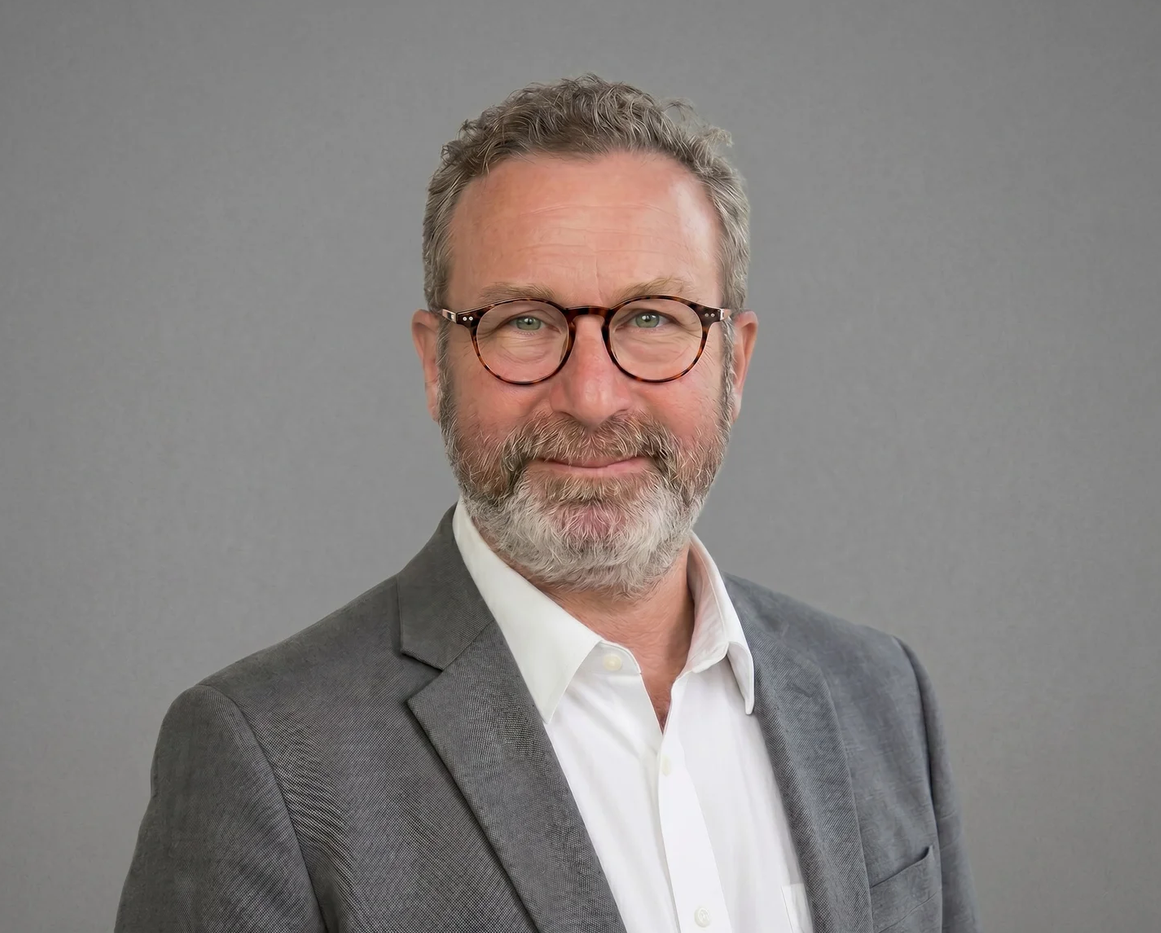
“I was a first-generation college student before we knew what that meant,” explains David Shein, who now works as an independent educational consultant after nearly three decades in higher education. “While I didn’t yet have the label, the experience of navigating college without a roadmap was integral to my experience as a student and has been the foundation of my professional practice.”
That experience became the core of his work helping thousands of students find their way through college and beyond.
The Invisible Barriers
Most first-generation students face challenges that never appear on a course syllabus. You might not know how to approach a professor during office hours. You might not realize that study abroad programs exist, or that financial aid can sometimes cover them. You might not understand how to translate your interests into a major, or your major into a career path.
These gaps are not about intelligence. They are about access to information that other students absorb from older siblings and dinner table conversations.
“At the core of this work is a commitment to making the full college experience accessible to students, to empowering those students to participate in meaningful ways in what can often feel like an alien environment, and to helping them connect with their college experiences in ways that impact their lives outside of and beyond their time in university,” Shein says.
What Accessible Education Really Means
Real accessibility goes beyond opening doors. It means creating structures that help students walk through those doors with confidence.
During his time at Bard College, Shein founded the Learning Commons and Disability Support Services. He co-founded the Center for Student Life and Advising. He helped launch the Clemente Course in the Humanities, which delivers free college-level humanities courses to adults living on low incomes, in two under-resourced neighborhoods
“It delivers a college-level introduction to humanities course to neighborhoods which tend to be under-resourced to people who otherwise wouldn’t have access to a college-level humanities course,” he explains. “It’s intended for people who otherwise wouldn’t have access to this stuff. It’s for people who wish they’d taken this kind of course in college, or wish they’d gone to college.”
Beyond the Degree
The students Shein advised went on to graduate school and law school. They won Watson Fellowships, They won Goldwater Scholarships, Truman Scholarships, and Fulbright Scholarships. They went to Ireland, Kosovo, Argentina, Malaysia, Georgia, Germany, Iceland and scores of other places they never imagined visiting ..
Shein says that these scholarship and fellowship recipients . ” epitomize the intellectual engagement, global awareness, and curiosity about the world that is the hallmark of a Bard education.”
These accomplishments did not happen by chance. They happened because someone took the time to listen to those students, to believe in them, to help them see what was possible and navigate the path to get there.
What You Can Do This Week
If you are a first-generation college student, a parent of one, or someone who wants to support accessible education, here are ten actions you can take right now:
- Schedule office hours with one professor this week, even if you don’t have a specific question. Practice entering the room and having the conversation.
- Visit your campus advising center and ask what resources exist for study abroad, research opportunities, or post-graduate scholarships.
- Find one upperclassman in your major and ask them what they wish they had known as a freshman.
- Join one club or organization that aligns with your interests, even if you feel unsure about fitting in.
- Look up the Clemente Course in the Humanities or similar free college-level programs in your community and share the information with someone who might benefit.
- If you are a parent, ask your student’s college about first-generation student support services and encourage your student to use them.
- Research three competitive scholarships or fellowships and save the application deadlines.
- Attend one campus event outside your comfort zone, whether it is a lecture, performance, or workshop.
- Map out a four-year plan with your advisor, even if you change it later. Having a roadmap makes it easier to adjust course.
- Write down three ways your college experience could impact your life beyond graduation, and share them with someone who will hold you accountable.
Start With One
You do not need to do all ten things at once. Pick one. Commit to it for the next seven days. See what changes.
Then share this letter with someone who needs a roadmap. Whether they are starting college, thinking about going back, or supporting someone who is navigating higher education for the first time, the information could change the trajectory of their experience.
College is not just about earning a degree. It is about accessing opportunities that transform lives. But first, you have to know those opportunities exist.
About David Shein
David Shein is an independent educational consultant based in Red Hook, New York. He holds a PhD in Philosophy from the Graduate School and University Center of the City University of New York. He spent over 25 years at Bard College in roles including Associate Vice President for Academic Affairs and Vice President for Student Success and Network Integration. He founded the Instructional Support Services program at Lehman College and the Learning Commons and Disability Support Services at Bard College, where he also co-founded the Center for Student Life and Advising, and advised many hundreds of students.
Source :David Shein
This article was originally published by IssueWire. Read the original article here.


